Growing a beard has always carried meaning. It has signaled maturity, strength, identity, and presence. But with meaning comes myth. Advice gets passed down from older brothers, barbers, friends at the gym, and half-remembered posts online. People repeat the same lines so often that they start to sound like facts. And before long, a man can end up sabotaging his beard without even realizing it.
This isn’t about trending hacks or aesthetic perfection. It’s about understanding your face, your biology, your habits, and the real work behind beard growth. The myths about beard growth that circulate today aren’t just harmless misunderstandings—they shape how men feel about themselves. They can create frustration, insecurity, impatience, or a sense that “some guys just got lucky and I didn’t.”
The truth is quieter and more grounded than that.
What follows is a clear, no-nonsense look at the most common myths surrounding beard care—where they came from, why they stuck, and what actually matters if you want a healthier, fuller beard.

The Signal Beneath the Noise
Most of the common beliefs around beard growth simply aren’t true. Shaving doesn’t make your beard grow thicker, and genetics don’t determine everything—your habits, skin health, stress levels, sleep, and nutrition play major roles. Patchiness is often just an early phase, not a permanent state, and full beard maturity can take years. Growth is slow and requires time, consistency, and patience. Healthy beards come from nourishing the skin beneath, using simple and steady care—not overusing products or chasing quick fixes. Beard growth isn’t just about the beard itself; it’s about discipline, routine, and allowing growth to unfold at its natural pace.
Summarize this content with AI
The Myth of the Overnight Beard
There’s this idea that beard growth happens fast. As if one day you wake up and your face has decided to cooperate. But almost no one’s beard grows in evenly or predictably in the beginning.
In reality, beard growth is a slow biological process. Each hair follicle has its own growth timeline—some wake early, some later. Some regions fill before others. This is why so many men think they are “patchy” when they are just in the early stages of their growth cycle.
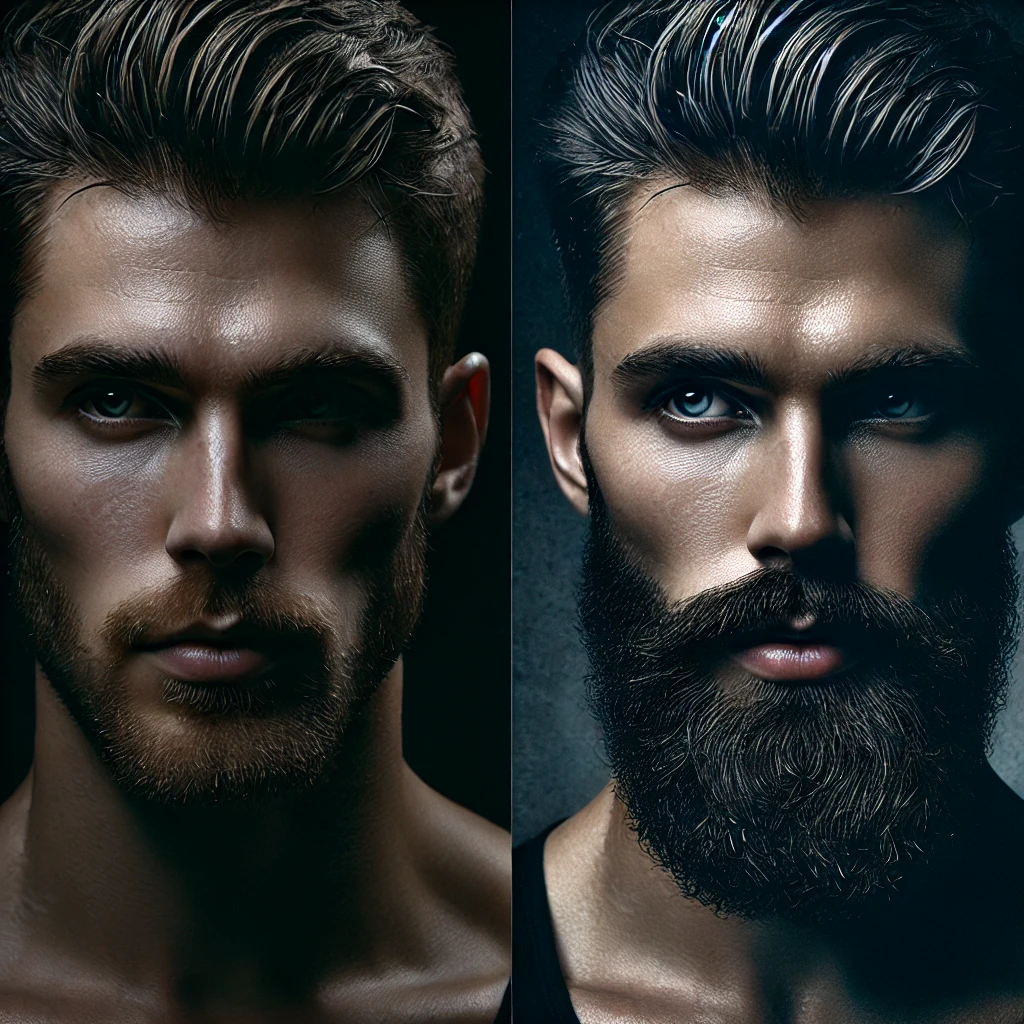
Many myths about beard growth start here—impatience.
A beard isn’t built in days. It’s built in weeks and months of steady, consistent care.
Myth #1: “Shaving Makes Your Beard Grow Thicker”
This is the oldest one. Nearly every man hears it at some point.
But shaving does not change the thickness, number, or growth rate of your beard. Hair grows according to genetics, hormones—mainly testosterone and DHT—and the health of your skin and follicles.
When you shave, you blunt the tip of the hair. So when it grows back, it feels coarser. But that’s just texture, not density.
Truth:
If you want your beard to grow fuller, focus on improving circulation, nutrition, hydration, and daily skin care—not shaving frequency.
Myth #2: “Beard Growth Is Pure Genetics—You Either Have It or You Don’t”
Genetics matter. That’s true. But they aren’t the only factor.
There are men with great genetic potential who never develop a full beard because:

- They don’t take care of their skin
- They’re chronically stressed
- Their diet is lacking in key nutrients
- They don’t allow their beard enough uninterrupted growth time
- They sabotage growth with harsh products or over-washing
Your genetics provide a blueprint. Your habits decide how far that blueprint is realized.
Beard growth is biological expression, and biology is influenced by environment.
Your daily routine matters more than you think.
Myth #3: “If It Looks Patchy, It Will Always Be Patchy”
This one feels personal for a lot of men.
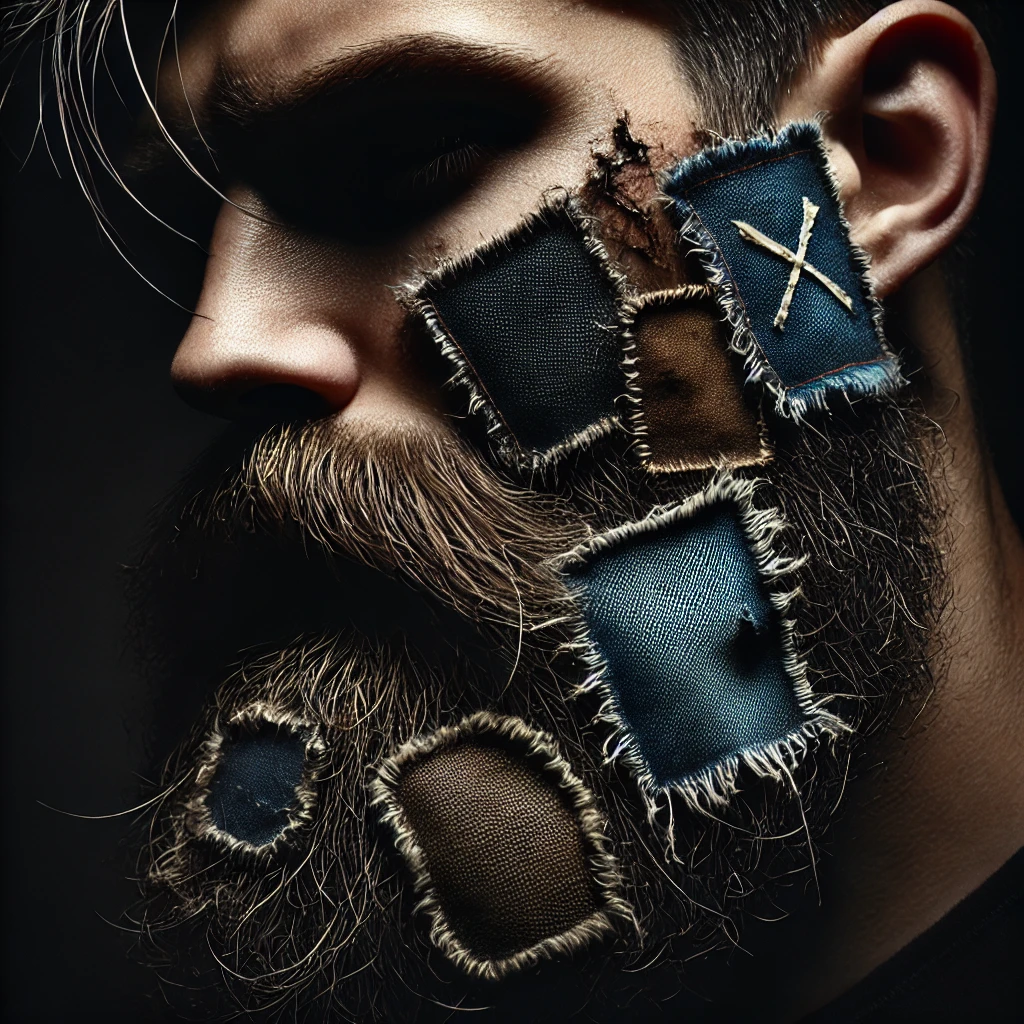
Patchiness is almost always a phase, not a permanent state. In many cases, the areas that appear thin or slow just haven’t reached their active growth cycle yet.
Beard growth develops over time:
- The mustache often comes in early.
- The chin fills next.
- The cheeks and jawline can take the longest.
Many men don’t reach their full beard maturity until their late 20s or early 30s.
Time is a factor most people simply underestimate.
Myth #4: “More Product = Better Results”
There’s a quiet pressure in grooming culture that suggests more is more:
More oil. More heat. More experiments. More products.
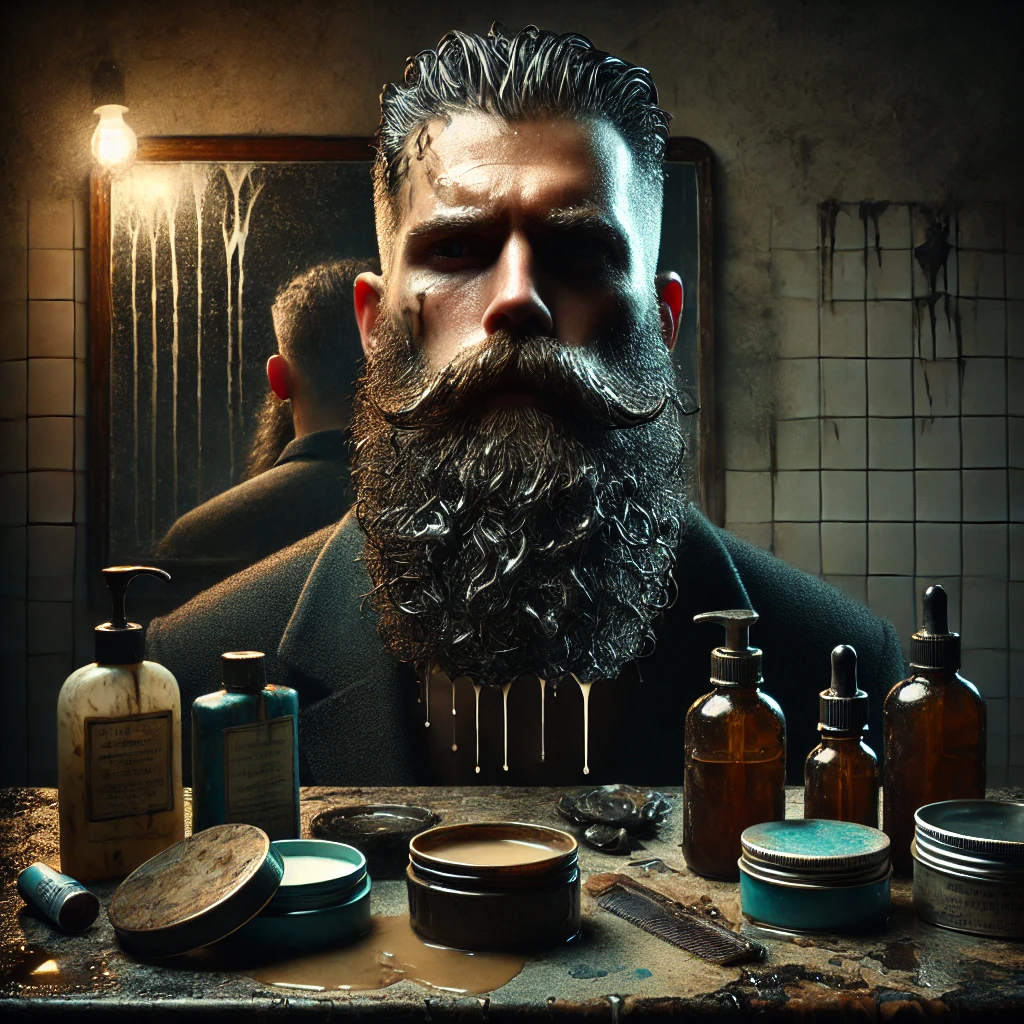
But your beard doesn’t need a chemical arsenal. In fact, overusing products—especially those heavy in synthetic fragrance and fillers—can suffocate follicles, dry the skin, or cause irritation.
Healthy beard care is minimal, consistent, and intentional:
- Cleanse gently (not daily unless needed)
- Moisturize the skin beneath the beard
- Use nourishing oil to protect and soften
- Comb or brush to distribute natural oils and stimulate circulation
This is ritual, not consumption.
Myth #5: “Beard Oil Is Just About Making the Beard Shine”
A common misunderstanding.
The primary purpose of beard oil is to nourish the skin under the beard. The shine is just a side effect.
Your beard only grows as strong as the skin supporting it. If the skin is dry, irritated, or inflamed, the beard will struggle no matter what else you try.
Healthy beards are built from the skin outward.
Myth #6: “Beard Care Is Aesthetic, Not Necessary”
This belief usually comes from thinking beards are simply decorations—like accessories or style choices.

But a beard is living fiber extending from your body. It needs moisture, nutrition, and oxygen. Just like hair on your head. And neglect almost always shows itself—not just visually, but physically, through:
- itchiness
- breakage
- beard dandruff (aka “beardruff”)
- ingrown hairs
- patchiness that worsens over time
Beard care isn’t vanity. It’s maintenance of something you’re choosing to grow.
Taking care of your beard is taking care of yourself.
Myth #7: “If It Itches, Shave It”
Every new beard goes through an itching phase. It’s a sign that the hair is growing and the skin needs more moisture and support—not a cue to quit.

The itch passes. But when a man shaves at that moment, he never gets to see what his beard could have become.
Beard growth requires endurance through discomfort in the early days. That discomfort is temporary.
The growth is not.
Why These Myths Persist
Myths survive when:
- They feel simple
- They offer shortcuts
- They let us blame something outside ourselves
“Shaving makes it thicker” is easier than learning how follicles actually work.
“Patchy means permanent” is easier than waiting 8–12 weeks to see real density.
“Genetics decide everything” is easier than reshaping habits.
Myths offer convenience.
Reality asks for patience.
But the reality rewards you.
What Actually Matters for Beard Growth
If we strip away the noise, beard growth depends on five core factors:
1. Nutrition
Protein, healthy fats, minerals like zinc and magnesium, vitamins A, D, E, and B-complex all support hair growth.

2. Circulation
Blood flow delivers nutrients to follicles. Gentle brushing, exercise, hydration, and massage all play a role.
3. Hormonal Balance (Testosterone and DHT)
This doesn’t mean maxing hormones artificially—it means reducing stress, getting quality sleep, and lifting regularly.
4. Skin Health
Healthy follicles require healthy skin—hydrated, calm, clean, and nourished.
5. Time
Growth needs uninterrupted weeks of patience. The difference between week 3 and week 12 is night and day.
No myth replaces these five truths.
Cultural Reflection: Why Beards Still Matter
Beards are more than hair.
They’re identity.
Ritual.
Self-respect.
But modern culture often encourages instant results—and instant results rarely last. Growing a beard teaches patience, routine, awareness, and discipline. It asks you to understand your own biology, not fight it.
And that’s the quiet part of beard growth that rarely gets discussed:
It changes you while it grows.
Closing Reflection
There’s no single trick that transforms your beard. No magic supplement. No secret technique.
There’s only:
- Time
- Good care
- Steady routine
- Understanding your own growth cycle
The myths fall away once you pay attention to your actual experience.
Your beard will tell you what it needs—if you stop comparing it to everyone else’s.
Growth isn’t just about hair.
It’s about who you become while waiting for it.