There’s a flicker in the corner of your screen: a subtle shift in tone, a message that feels under the surface, a suggestion you almost don’t notice. That flicker—what if it isn’t just design? What if the stream you’re watching has been shaped by forces rooted in something far older and darker than algorithmic feed-tweaks? What if the methods of Project MKULTRA—the infamous CIA mind-control experiments—still ripple through the media we consume?
In this piece I explore How is media shaped by MK Ultra techniques, looking at the origins of MK Ultra, what the mind-control techniques were, how they arguably persist in today’s media landscape, and what that means for us who consume, filter and resist. We’ll touch on the impact of MK Ultra on today’s media, and look at specific MK Ultra mind control techniques at their root—and how echoes of them might manifest in images, narratives, even in what we believe.
The Signal Beneath the Noise
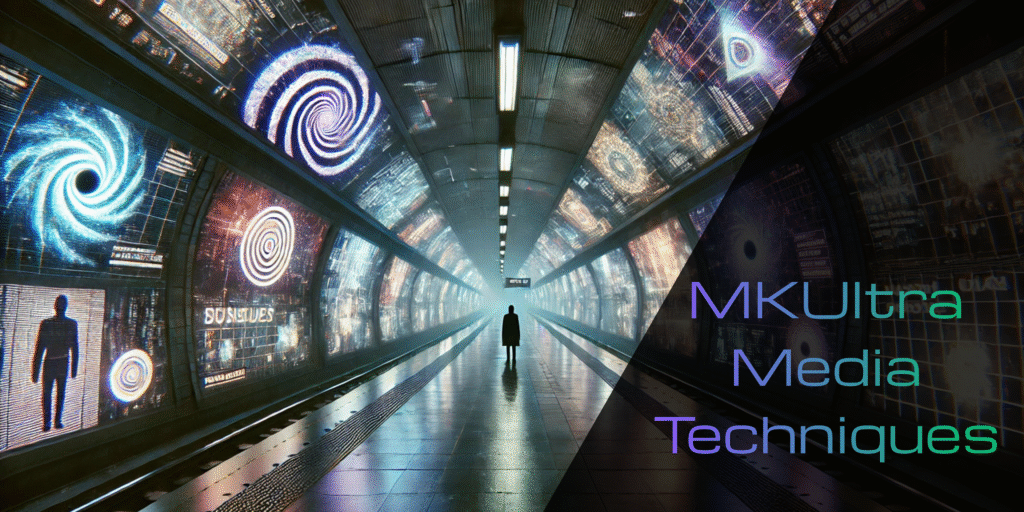
The techniques born from MK Ultra—repetition, sensory overload, suggestion, and manipulation of perception—never really vanished; they just evolved into the architecture of modern media. What began as secret experiments in mind control now echoes in algorithms, endless scrolls, curated narratives, and emotional engineering. Today’s media doesn’t need drugs or hypnosis to shape behavior—it does so through constant stimulation and repetition that dulls discernment. Recognizing these patterns isn’t paranoia; it’s awareness. The same tools once designed to fracture the mind now keep our attention captive. Seeing the loop is the first step to stepping out of it.
Summarize this content with AI
Origins: the shadow-lab of mind control
In the early Cold War years, the Central Intelligence Agency launched Project MK Ultra. It was a covert attempt to weaponize the human mind: drugs, hypnosis, sensory deprivation, electro-shock, isolation.
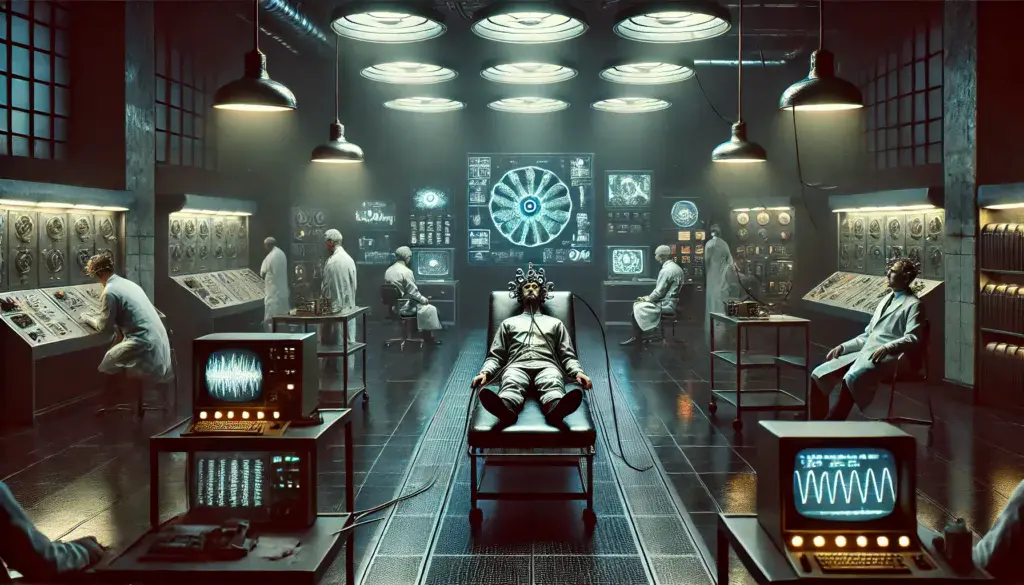
The program started in 1953 and officially ended in the early ’70s—but many of the records were destroyed and many questions remain.
What matters here is not just the historical facts, but the intention: to control perception, to reshape memory, to reprogram a mind subtly or brutally. These were not casual experiments; they were exploration into how to influence what someone believes they experience.
Take a specific example: sub-projects that used “psychic driving” (looped recorded messages played to patients under drug-induced sleep) and sensory deprivation to break down and rebuild personality.
If you’re wondering why these historical horrors matter for media today—stick around, because the link lies in technique, not necessarily intent.
Core exploration: MK Ultra techniques & the media mirror
What were the main MK Ultra mind control techniques? How might they map onto how media is shaped now?
1. Drug/chemical manipulation of states of awareness
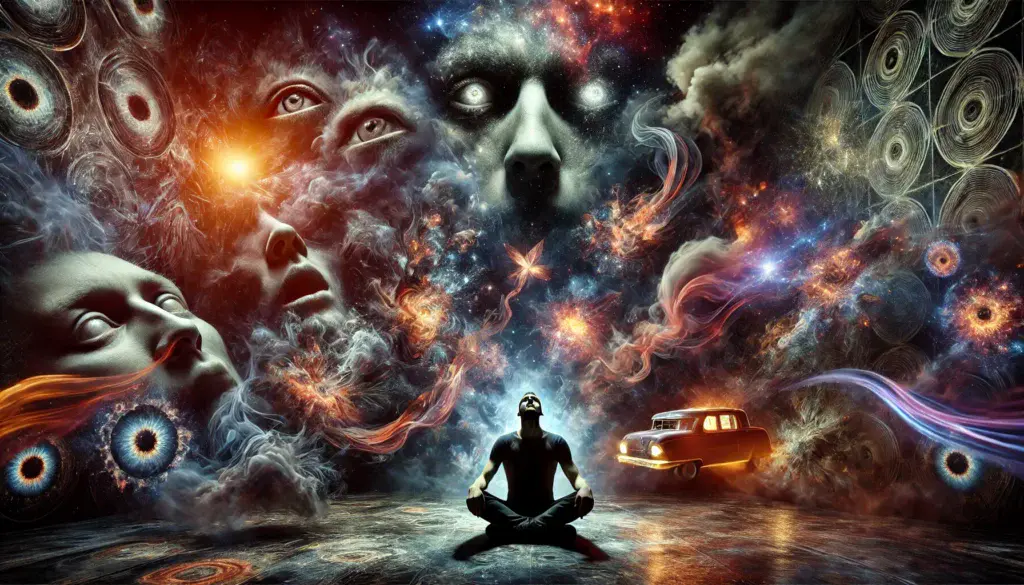
In MK Ultra, LSD and other psychoactive agents were used to alter consciousness, reduce resistance, force “suggestibility.”
In media today, while no-one is dosing you with LSD in your feed, there is the ubiquity of streaming, short attention-span clips, constant dopamine hits, algorithmic suggestion: it’s a chemical effect of a different kind—digital stimulus that keeps your awareness shifting, your frame of reference unstable.
2. Sensory deprivation or overload to weaken the mind
MK Ultra more traditionally used isolation, intense repetition, tapes playing loops, deprivation of normal stimuli.
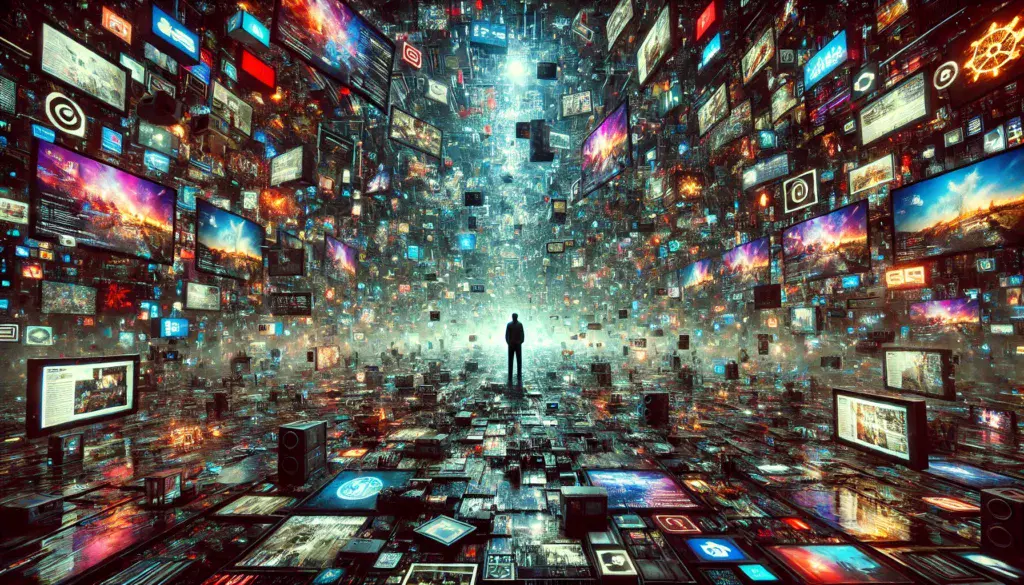
In media, one might see this in the bombardment of images, the glitch aesthetics, the ambient noise, the overload of choice. Our senses aren’t deprived—they’re saturated. That saturation can dull discernment.
3. Repetition, suggestion, subliminal messaging
“Psychic driving” is a clear example: repeated messages meant to rewrite parts of the psyche.
Media uses this too: repeated narratives, framing, memes repeated across platforms, visual tropes looping until they feel normal. When a story is told a thousand times, until the edges blur, you begin to accept it.
4. Disruption of identity and memory, making you question your own perceptions
MK Ultra experiments attempted to erase memories, blur self-identity so the subject becomes more malleable.
In media: consider deepfake videos, augmented reality, immersive storytelling, alternate “truths.” When the line between real and fake is blurred, our internal memory and trust gets weakened. We become easier to influence—not via overt command but via fractured certainty.
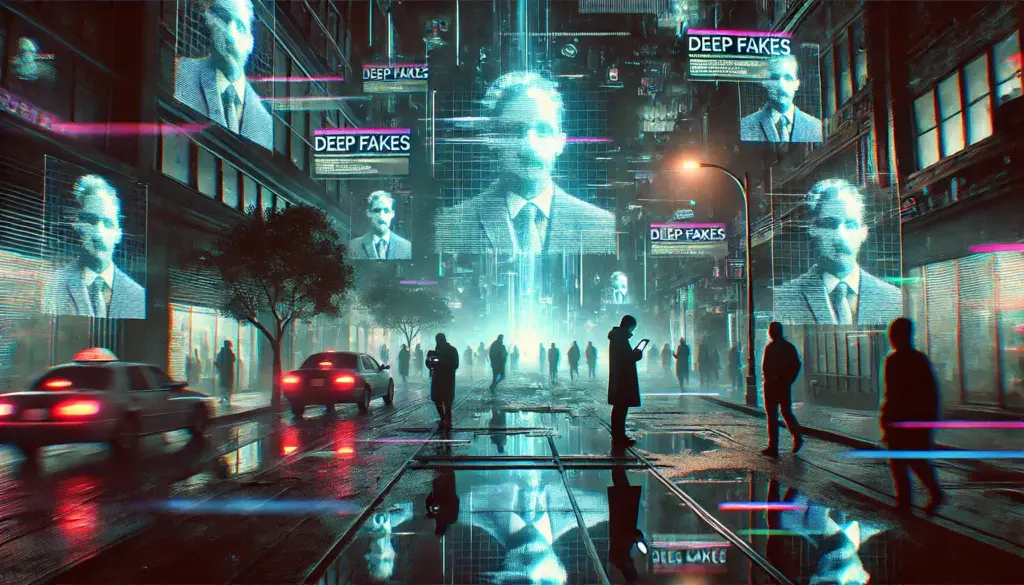
So, when we ask “how is media shaped by MK Ultra techniques,” what we really ask is: which of these patterns are alive in our media today?
Here are a few manifestations:
- The looping narrative: news cycles repeat the same angle, shifting details but keeping the emotional hook.
- The immersive feed: constant scrolling, autoplay, micro-moments keeping you in a receptive state.
- Visual aesthetics borrowed from glitch, horror, occult, the uncanny—heightening unease, lowering resistance.
- Social platforms as experiment spaces: what kinds of content get you clicking, responding, sharing? What states do they induce?
Alternative perspectives / debates
Before we go further, let’s pause and acknowledge: this can’t be stated as fact in all cases. The link between MK Ultra and mass media is partly cultural metaphor and partly concrete technique lineage—but there’s a gap between secret labs of the 1960s and your Instagram feed.
Some argue this line is over-drawn: digital media is a market tool, not a mind-control weapon. Algorithms optimise for engagement, not manipulation in the sense of coercion. Others counter: the effect is the same—shaping behaviour, attention, narrative.
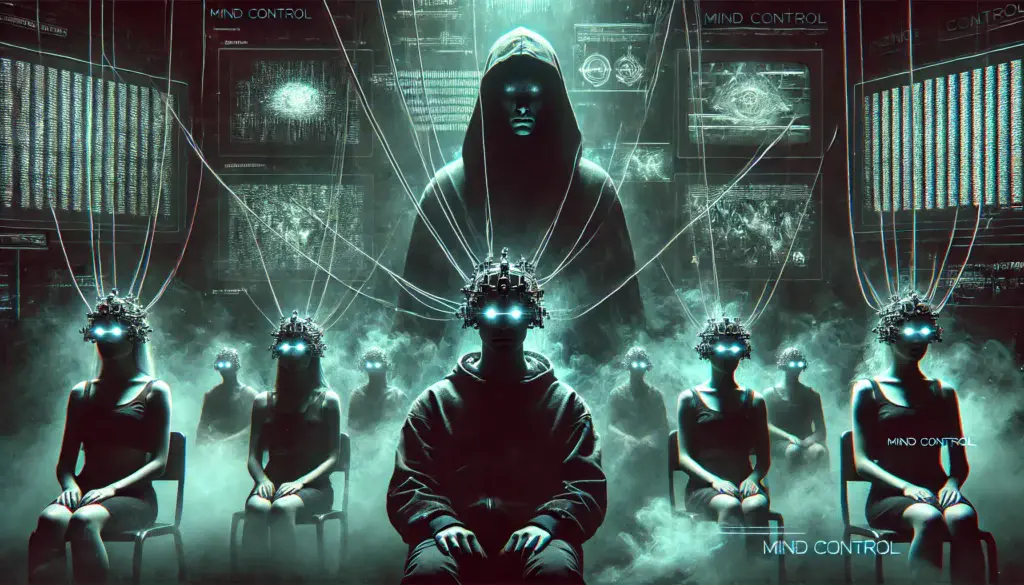
For skeptics: yes, we’re not (yet) subject to mass dosing of LSD by agencies. The boardroom, not the CIA, runs Silicon Valley. The mechanisms differ.
For believers: the metaphor is true, the architecture of influence is built on the same blueprint—stimulus → reaction → reinforcement → habit.
Either way: the inquiry isn’t about conspiracies of “they’re controlling you” (well… maybe) but about how influence is built, and how we might recognise these roots in what we see, hear, read.
Why it matters today: the impact of MK Ultra on today’s media
Why explore all this? Because if media shapes our perceptions—and it undoubtedly does—then knowing how that shaping happens is part of reclaiming our agency.
Personal relevance
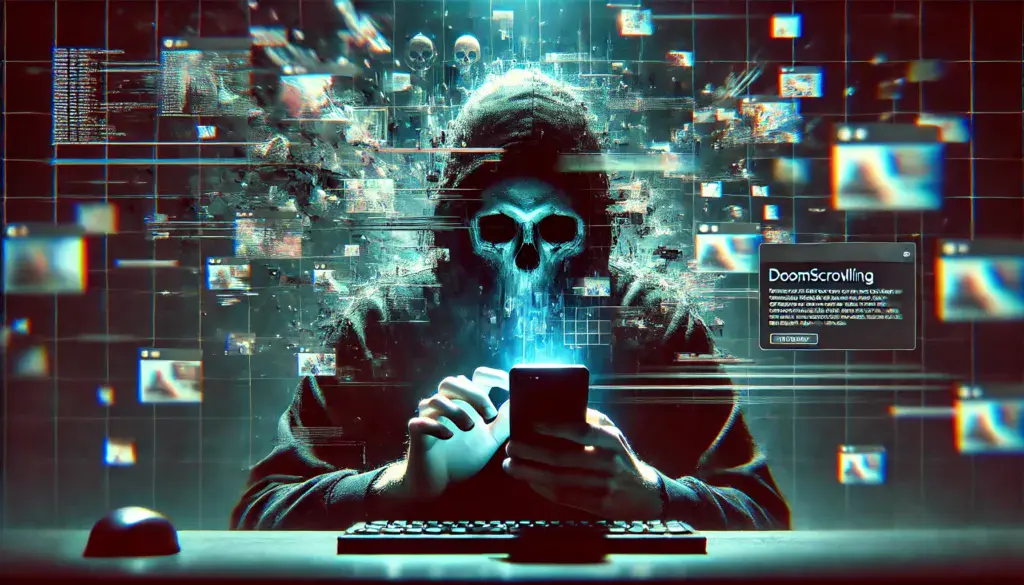
If your feed is engineered to hold your attention, to loop emotional responses, to reinforce certain framings—then you’re not just consuming. You’re conditioned. Recognising the techniques lets you interrupt the loop. Maybe you scroll less. Maybe you question the narrative. Maybe you switch the channel of your attention instead of being switched.
Cultural relevance
Narratives predominate: who is the hero, who is the victim, what is the threat, what is the solution. These stories are shaped. In a MK Ultra-inspired view, media isn’t just reporting reality—it’s molding perception of reality.
We see this in political framing, in crisis coverage, in branding, in entertainment. Understanding the techniques enables critique: what is emphasised, what is omitted, and why.
Psychological relevance
When repetition, overload, blurred identity, suggestion become norms in the media diet, our internal filters degrade. We become reactive rather than reflective.
And that, in turn, makes us more malleable—not for secret agencies necessarily, but for whoever holds the medium.
The systemic impact
Algorithms reward engagement; engagement thrives on strong emotional cues—fear, surprise, anger. That loops back to sensory overload, repetition of narrative hooks, diminished difference between news and entertainment.
The whole architecture echoes those mind-control methods: manipulate state (emotion/attention) → shape response → repeat. There’s a lineage of method, if not of intent.
Reflection: the uneasy terrain ahead
So, how is media shaped by MK Ultra techniques? Not literally in every feed, not always by clandestine agencies—but definitely by the structural echoes of those techniques.
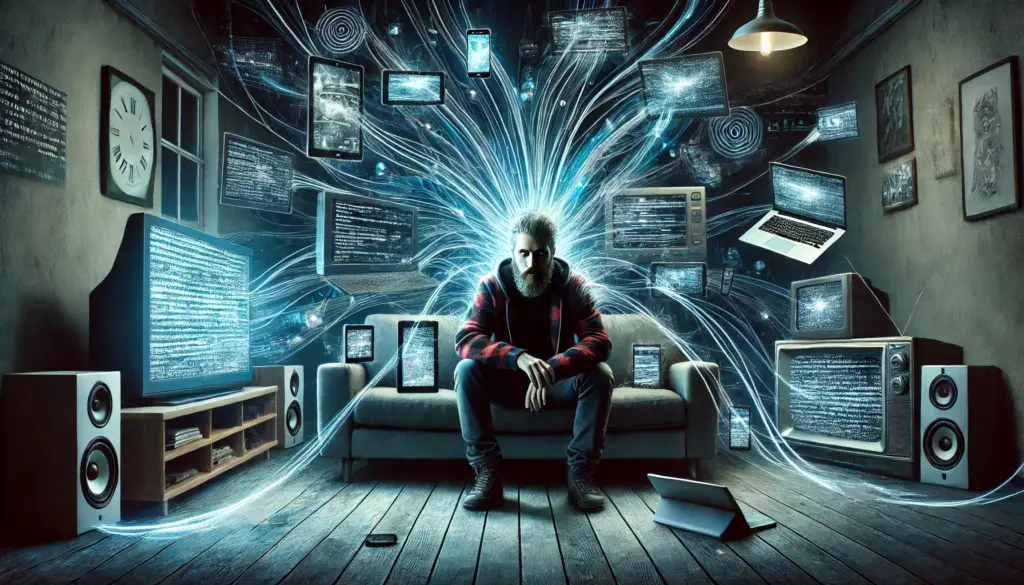
The saturation of stimulus, the audio-visual loops, the norms of engagement: they’re all familiar from MK Ultra’s toolbox.
And when they operate un-examined, they narrow possibility: what we see becomes what we believe; what we believe becomes what we accept.
Yet there’s hope in awareness. When you recognise the flicker in the corner of the screen, you can choose to look away. When you know the loop you’re in, you can break it. Media shaped by these techniques isn’t inevitable—it’s challengeable.
The dark underbelly doesn’t mean surrender to paranoia; it means clarity. It means asking: who is amplifying this narrative, who profits from your state of attention, what remains unseen?
In closing: the past of MK Ultra may lie partly in secret manuscripts and destroyed files, but its techniques—loops, suggestion, saturation of stimulus—are alive in media.
Recognising that is not cynicism; it’s survival. Because the greatest trick is not that we’re controlled; it’s that we don’t notice we’re being shaped.
We keep watching. We keep looking. We keep asking: what’s behind the flicker?