Winter strips things down fast — color fades, the air turns sharp, and anything exposed starts to feel the bite. Beards feel it the most, tightening, itching, and dulling out the moment cold air hits.
Between the dryness outside and the heat indoors, moisture gets pulled from your skin nonstop until your beard becomes brittle and irritated. That’s why keeping your beard hydrated in winter isn’t a minor grooming detail — it’s basic survival for your face. A hydrated beard endures the season; a neglected one suffers through it.
This piece breaks down the science of moisture, the rituals that matter, and the grounded choices that keep your beard healthy in harsh weather. Before any of that makes sense, though, you need to understand where the problem actually starts.
The Signal Beneath the Noise
Winter dries your beard from every angle: cold air, indoor heat, overwashing, wind, and hot showers. To keep your beard hydrated in winter, wash less often, rinse more, use warm water, hydrate the skin first, seal in moisture with oils, comb to distribute evenly, trim split ends, shield your beard outdoors, stay hydrated internally, and add humidity indoors. These steps help prevent itch, breakage, irritation, and sensitivity while keeping your beard soft, healthy, and calm throughout the cold months.
Summarize this content with AI
Where Winter Beard Issues Come From
Beard dryness in winter isn’t random. It’s predictable — almost mechanical — once you know the forces involved.
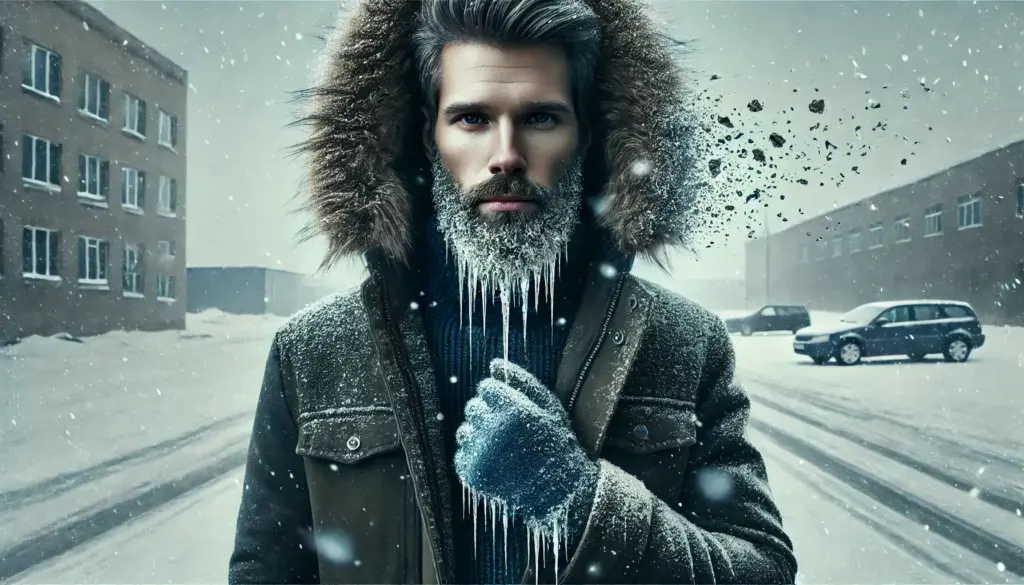
1. Cold air carries less moisture.
The colder the air, the less humidity it can hold. That means moisture in your beard and skin evaporates faster the moment you step outside.
2. Indoor heat dries you out further.
Furnaces and heaters pull moisture from the air. You warm up, sure — but your beard pays for it.
3. Hot showers strip natural oils.
In summer, you might not notice the damage. In winter, you feel it within hours.
4. Wind exposure accelerates loss.
Wind acts like a moisture vacuum. Even a short walk in dry wind can leave your beard feeling brittle.
5. Longer, thicker beards lose more moisture.
More surface area means more exposure. More texture means more places dryness can set in.
When all these elements stack together, even a solid beard can become fragile. Hydration becomes less about looking good and more about preventing discomfort, flakes, split ends, and general irritation.
Understanding Hydration Vs. Moisture
Most people lump hydration into one word, but there are two separate pieces at play — and winter attacks both.
Hydration (water):
This is the internal moisture your skin holds. When hydration drops, you feel tightness and itch.

Moisture (oil):
Oil prevents water from evaporating. Without oil, hydration escapes no matter how much water you drink or how often you wash your face.
Winter strips hydration and moisture simultaneously. That’s why the best beard care products for winter focus on both: ingredients that help the skin retain water, and oils that seal it in so it doesn’t escape.
The Core Idea: Hydration Is A Ritual, Not A Reaction
You can’t wait until your beard is cracking to begin treating it. Winter beard hydration works like any good ritual: a small, consistent sequence that carries you through the season.
Here’s the backbone of it.
The Winter Beard Hydration Blueprint
Below is a practical, grounded plan — no fluff, no unnecessary steps. Just what actually works in cold climates.

1. Start with warm — not hot — water
Hot water feels good, but it destroys your natural oils and worsens dryness.
Warm water cleans without stripping.
If you have sensitive skin in winter, this change alone can reduce tightness and irritation.
2. Wash less often, and rinse more
Winter isn’t the time to wash your beard daily.
Two to three proper washes per week is plenty.
In between, rinse with warm water to remove salt, sweat, and dead skin without stripping the protective layer your beard desperately needs in cold weather.
This is one of the most overlooked beard grooming tips for cold climates: frequency matters.
3. Hydrate the skin first
A hydrated beard begins beneath the beard.
If your skin dries out, the hair dries out.
If your skin stays moisturized, the hair follows.
After washing or rinsing, pat dry until your beard is damp — not dripping — and use something lightweight that your skin can absorb easily. The feeling you’re aiming for is calm, not greasy.
This step is especially important if you’re dealing with beard care for sensitive skin in winter. The skin must be soothed before the beard can improve.
4. Lock in hydration with oils
Oil is the seal.
Oil is the barrier.
Oil is the reason your beard survives winter intact.

Without oil, water evaporates. With it, hydration stays trapped where it belongs.
Apply when your beard is slightly damp so the oil can hold moisture in. The amount varies depending on length, but the goal is always the same: coat the hair lightly, massage the skin, and restore its protective layer.
If you’ve ever wondered how to prevent beard itch in winter, this is the answer nine times out of ten. Dry skin itches. Hydrated skin doesn’t.
5. Combing becomes more important in winter
Not for vanity — for distribution.
A proper comb moves natural oils from root to tip, prevents tangling, and keeps individual hairs from breaking.
In winter, fragile hairs snap easily.
Combing reduces that risk.
Short beards? One slow pass.
Medium to long? A few minutes of attention makes a noticeable difference.
6. Trim strategically (even if you’re growing it out)
Dry hair splits.
Split hair breaks.
Broken hair makes a beard look thin and patchy.

A small trim every few weeks reduces winter damage dramatically — even if the goal is length. It’s maintenance, not setback.
7. Cover your beard outdoors — but use the right material
If you live in a cold climate, covering your beard can help, but synthetic fabrics can cause friction and split ends.
Choose cotton, bamboo, or anything smooth.
Avoid wool pressing directly against the beard.
Think of it like shielding a campfire from the wind.
The beard stays protected, the skin stays calmer.
8. Drink water like it still matters
Hydration isn’t just topical.
Winter dehydrates you internally faster than you think.

When your body’s water levels drop, your skin shows it — and your beard magnifies it.
Water doesn’t fix everything, but without it, nothing else works as well.
9. Humidity is your secret weapon
If you heat your home (and most people do), you’re evaporating moisture constantly.
A small humidifier running at night can change your skin and beard more than a dozen products. That’s not an exaggeration.
Many men notice a dramatic difference within a week.
10. Don’t ignore what your beard is telling you
The beard tightens. Itches. Feels brittle between your fingers. Loses its shape.
These aren’t random sensations — they’re signals.
Winter is harsher on skin than most people admit.
Feeling dryness early is a warning sign, not an inconvenience.
Listen to it and your beard survives the season quietly.
Ignore it and you end up battling flakes, irritation, and breakage for months.
If You Have Sensitive Skin, Winter Demands A Different Approach
Sensitive skin reacts faster in cold weather. Small mistakes feel bigger. Wrong products leave lasting irritation.

Here are grounded, simple adjustments that make a real difference:
• Reduce friction
Aggressive towel drying, harsh brushes, scratching, or rubbing your face against clothing aggravates sensitive skin instantly.
• Avoid fragrances when possible
Your skin barrier is already compromised in winter. Strong fragrance can overwhelm it.
• Stick to shorter ingredient lists
Your skin doesn’t need complexity — it needs consistency.
• Moisturize before bed
Nighttime hydration hits deeper and lasts longer. A simple nightly routine often fixes redness and dryness that daytime grooming can’t.
When people talk about beard care for sensitive skin in winter, this is the backbone: calm the skin, keep moisture locked in, avoid unnecessary irritation, and treat the beard gently.
Preventing Beard Itch In Winter
Beard itch is one of winter’s loudest complaints, and it often feels like it strikes out of nowhere. But it rarely does. The causes are extremely logical:
- Dry skin beneath the beard
- Dead skin buildup
- Evaporated natural oils
- Cold exposure without coverage
- Hot showers
- Overwashing
- Friction from scarves or collars
To stop the itch, you fix the cause — not the symptom.
The formula is straightforward:
Hydrate → seal → protect → soothe.
That’s the entire process behind how to prevent beard itch in winter.
Nothing mystical, nothing complicated. Just small, deliberate steps done daily.
What Winter Teaches About Grooming
There’s something winter reveals that no other season does — whether your beard is cared for or simply tolerated.
A dehydrated beard becomes rough, wiry, reactive.
A hydrated beard moves the way it’s supposed to. It feels calmer. It behaves.
More than that: a winter grooming ritual feels grounding. It’s one of the few daily acts that brings warmth back into cold mornings. There’s a subtle steadiness in working oil through your beard while the world outside freezes. It’s a kind of quiet resilience.
And resilience is at the core of every solid beard — especially in harsh seasons.
Winter strips away the nonessential.
Hydration is what remains.
A Final Reflection
Winter challenges everything it touches. Beards included.
But with intention, a winter beard doesn’t have to feel like a battle. It becomes a ritual — a steadying force in a season built on extremes.
Take the time to hydrate.
Pay attention early.
Protect what you’re growing.
Let the cold stay outside while your beard stays warm, healthy, and unbothered.