There was a time when facial hair wasn’t just facial hair.
It was identity. Status. A signal of what a man believed, where he came from, and what he was willing to defend.
Across ancient worlds—from desert kingdoms to mountain fortresses—men treated the beard as something more than decoration. It was a living marker of maturity, self-respect, and presence. The techniques they used, the rituals they performed, and the materials they believed kept their beards strong weren’t random. They were intentional, often sacred.
This is where the secrets of ancient beard grooming live.
Not in trends.
Not in products.
But in how ancient men understood the connection between the body and the spirit.

The Signal Beneath the Noise
Beards have long symbolized strength, maturity, and identity, and ancient grooming emphasized natural oils, herbs, and simple wooden tools used slowly and deliberately as a daily ritual. Caring for the beard was tied to self-awareness and even spiritual presence. Today, modern men can reconnect with this deeper tradition by approaching grooming with intention rather than speed.
Summarize this content with AI
The Beard as a Sign of Power
Before the concept of grooming became something commodified, the beard was a declaration. A type of language.
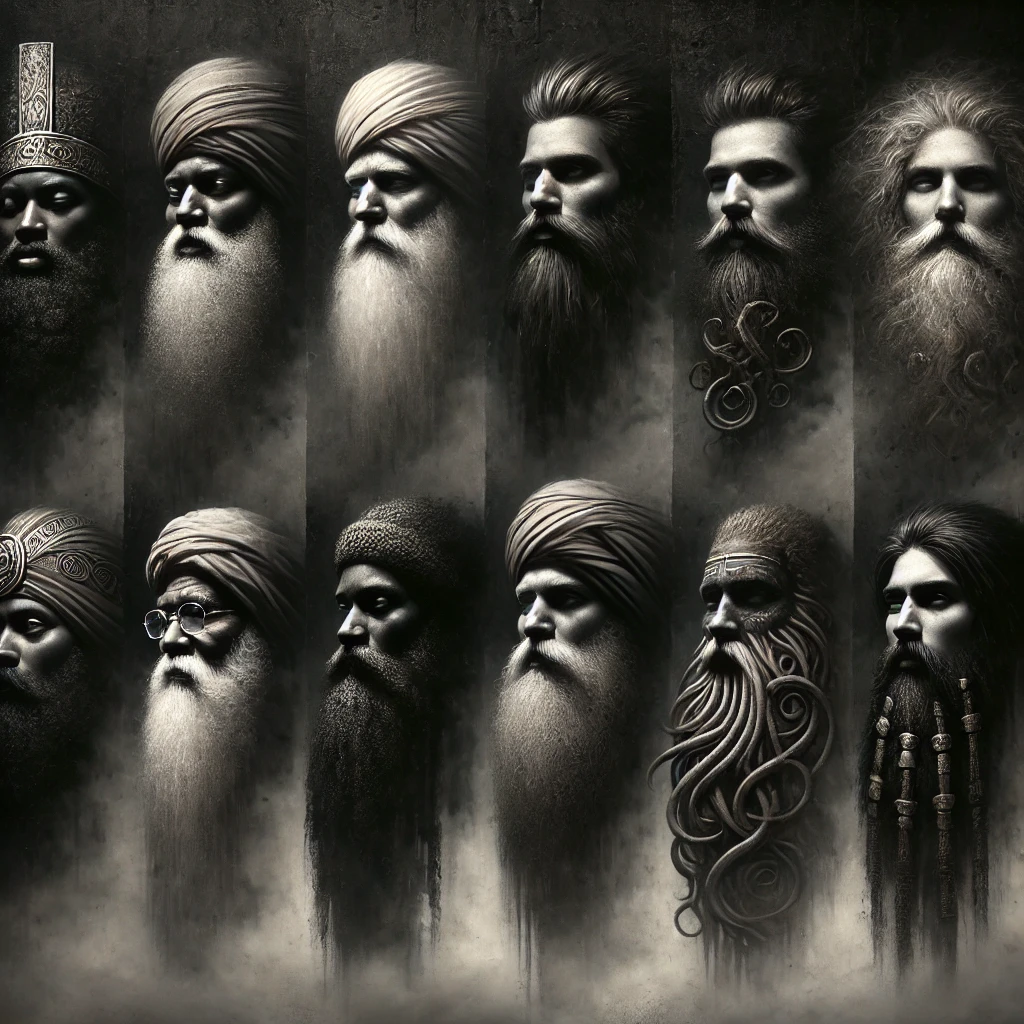
In ancient Mesopotamia, long beards were worn by kings and high priests to signify wisdom and divine favor. Egyptian pharaohs—men and women alike—wore stylized ceremonial beards carved in gold or braided linen to signify authority. The Greeks associated thick beards with knowledge, courage, and philosophical grounding. In ancient India and Persia, a beard was tied to dignity and strength.
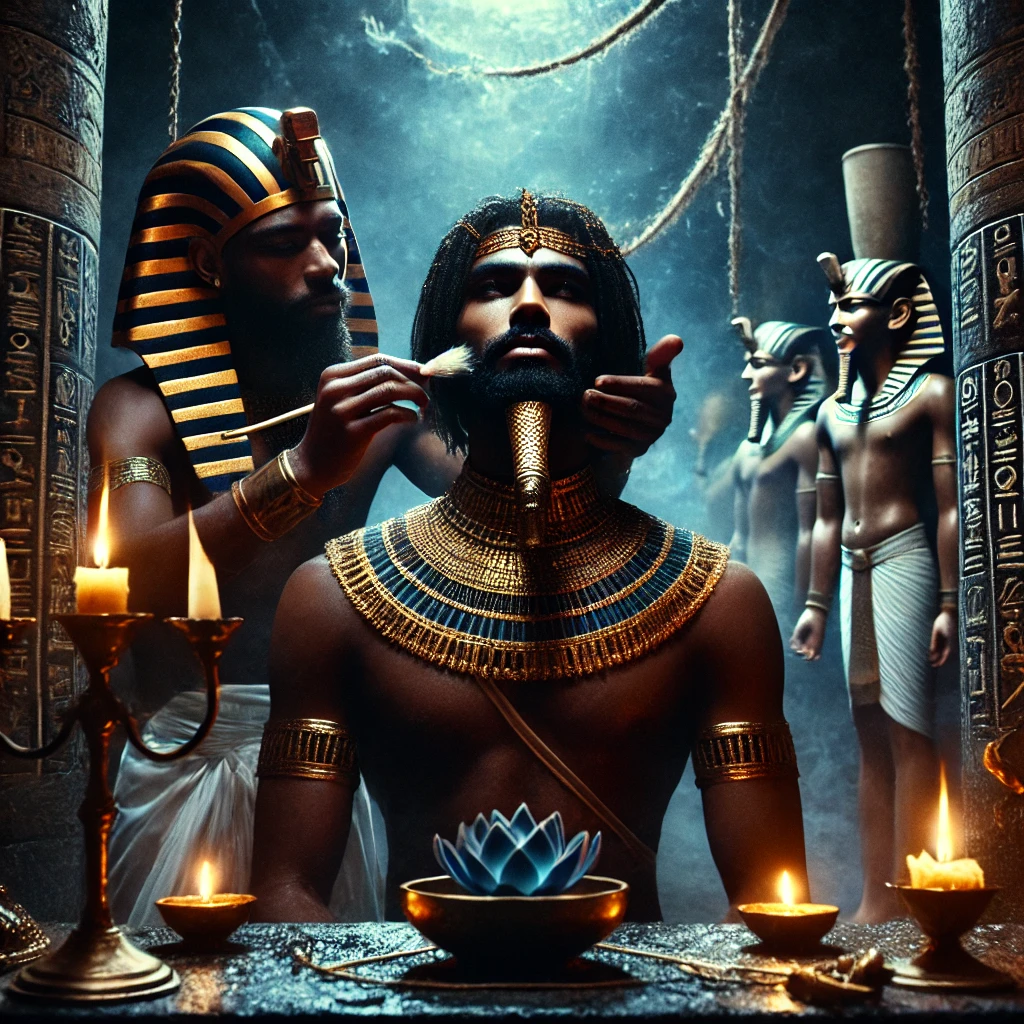
These civilizations didn’t grow beards carelessly. How ancient men groomed their beards said everything about their beliefs.
A trimmed beard was discipline.
A shaped beard was identity.
A damaged or neglected beard was shame.
To maintain a beard was to maintain oneself.
Gathering What the Earth Offered
Before synthetic scents and lab-designed compounds, ancient beard grooming techniques used what was local, organic, and alive.
Oils
Most ancient civilizations understood that hair health begins at the skin. They didn’t just treat the beard—they treated the roots and the underlying terrain.
Common oils included:
| Oil | Region | Purpose |
|---|---|---|
| Olive Oil | Greece / Mediterranean | Softening, shine, protection from dryness |
| Castor Oil | Egypt / Middle East | Thickening effect, strengthening roots |
| Cedar Oil | Mesopotamia | Purification and scent associated with nobility |
| Sesame Oil | India | Moisturizing and antibacterial, used in daily ritual |
Oils were warm, herbal, fragrant—but not overwhelming. The application was slow and deliberate. Men massaged the oil into their beards not just to condition the hair, but to stimulate the skin and calm the mind.
Herbs & Resins
Plants weren’t chosen just for smell—they were chosen for symbolism and effect.

Frankincense: clarity, purification
Myrrh: healing, protection
Basil: sharpening the senses
Rosemary: stimulation and warmth
Cedarwood Bark: grounding the self
In many traditions, these weren’t just grooming ingredients. They were offerings.
The Tools Were Simple—But Meaningful
The earliest combs were bone, horn, or wood. They weren’t mass-produced; men carried them for years, sometimes inherited from fathers or mentors. The comb was so personal that to borrow one was an act of intimacy or trust.
Why Wood Was Sacred

Wooden combs didn’t produce static.
They didn’t splinter or tear the hair.
They warmed to the hand and face.
It made the act of grooming a grounded, calming ritual.
Razors were copper, bronze, or obsidian before steel. They dulled quickly and demanded skill. Shaving wasn’t something done casually—it required time and intention.
Trimming wasn’t about sharp lines, not at first. It was about shaping and flow. The beard was meant to appear natural yet cared for—a reflection of internal balance.
Grooming as Ritual, Not Chore
One of the biggest differences between ancient beard grooming and modern routines is the mindset.
Today, grooming can feel like maintenance. Something to get through before starting the day.
In ancient times, it was part of the day.
A Typical Morning Ritual (Across Many Cultures)
Warm water to soften the beard
Slow oil massage, fingertips pressing along the jaw
Comb-through, deliberate, slow strokes from root to end
Trimming only when necessary, not daily
The focus was to attune oneself.The focus wasn’t to shape the beard into a style.
This wasn’t vanity.
It was awareness.
Grooming was a moment a man used to see himself clearly.
Not as others saw him—but as he stood in his own presence.
The Beard as a Spiritual Boundary
Many ancient cultures believed the beard was connected to the ego, identity, and the unseen part of a person—the part that dreams, fears, and remembers things others don’t.
In some traditions:
Cutting the beard meant shedding the old self
Growing it meant stepping into maturity
Burning beard trimmings ensured no one could “use them against you”
A beard left unwashed was believed to trap negative energy
These beliefs weren’t random. They reflected a worldview in which the body wasn’t separate from the spirit.
A beard was seen as a type of extension of the soul.
This idea still shows up today, quietly, in the way men change when they grow or shave their beards. Not just their appearance—their presence.
War, Brotherhood, and the Beard
Warriors across cultures treated the beard as something they prepared before battle.
Not for appearance.
For focus.
The Vikings braided their beards to avoid interference in combat—and to signify lineage.
Persian soldiers oiled their beards to prevent dryness and breakage from sand and heat.
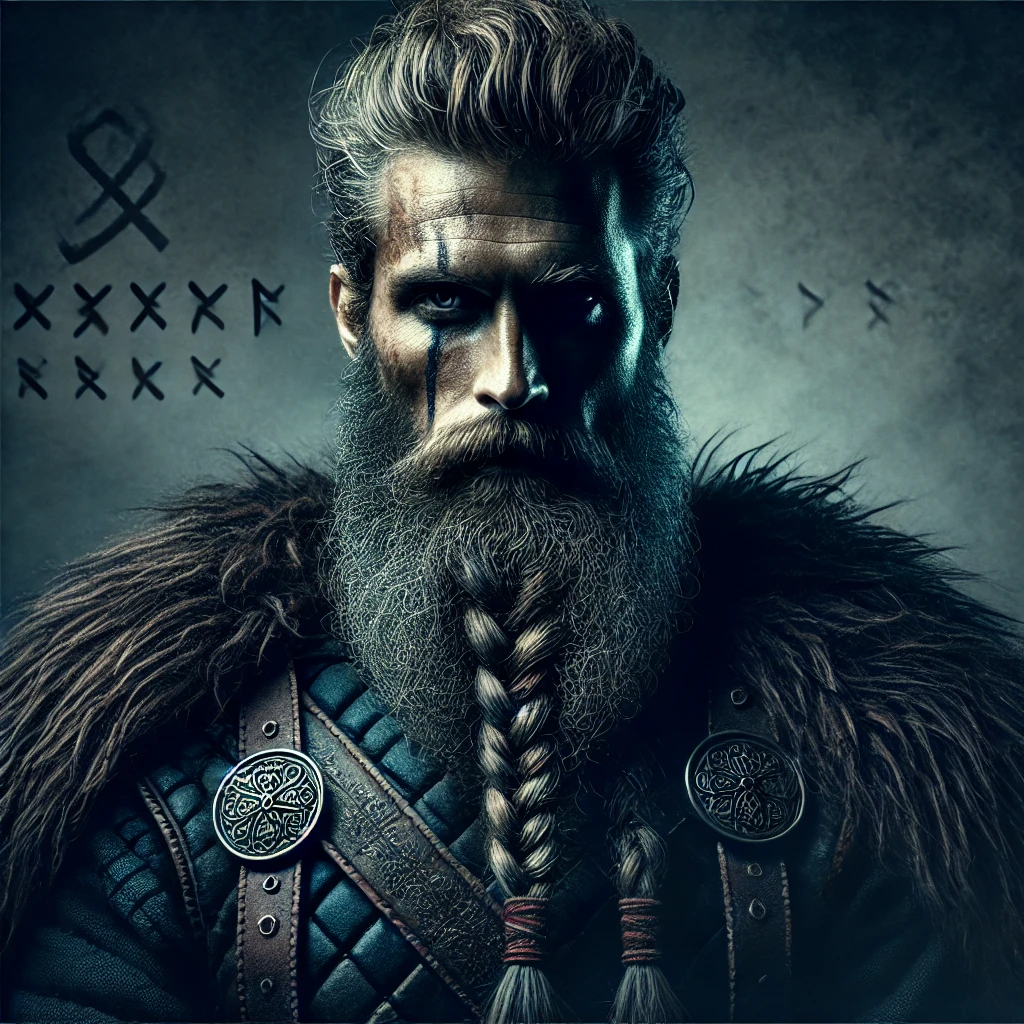
Greek hoplites trimmed theirs to prevent enemies from having something to grab.
In each case, the beard was considered part of the warrior’s identity, strategy, and pride.
Even today, military and elite units debate beard regulations—not because of sanitation, but because the beard changes how a man carries himself.
A beard can feel like armor.
When Religion Entered the Equation
Religions adopted beard customs not to invent meaning—but because the meaning was already there.
Judaism forbade shaving with blades to preserve natural shape
Islam encouraged growing the beard as a sign of maturity and humility
Sikhism framed the beard as a symbol of living in natural truth
Orthodox Christianity associated beards with spiritual authority and wisdom
In all cases, the beard represented clarity of purpose.
To grow it was to honor something greater than vanity.
Even when cultures shifted toward shaving, the beard’s symbolism didn’t disappear. It just changed shape.
What Modern Men Often Forget
The world today moves fast.
We groom on autopilot.
We buy products without knowing their ingredients.
We shave or trim without thought.
But the beard has always asked for presence.
Those ancient men understood something we’re only now remembering:
Grooming is not just about appearance.
It is reflection. Discipline. Identity. Emotional grounding.
To care for the beard is to return to oneself.
Not in a dramatic or performative way.
Just in a consistent, quiet, grounded one.
How To Bring Ancient Practices Into Your Daily Routine
No ceremony required. No theatrics.
Just presence and intention.
1. Warm Water First
Warm the beard with your hands or a cloth.
This wakes the skin and softens the hair.
2. Oil With Purpose
Choose oils that feel good, smell natural, and soothe.
Massage slowly to increase circulation.
3. Comb With Intention
Use a wooden comb.
Move from root to end in deliberate motions.
4. Trim Only To Maintain Shape
Don’t chase perfection.
Keep the beard human, not manufactured.
5. Make It a Moment
No phone. No rush.
Just you, your reflection, and the world quiet for a few seconds.
Because the beard is not just hair.
It’s a signal—to yourself first.
The Beard Is Not the Point
The beard is the doorway.
The deeper truth:
Men feel better when they take time to care for themselves.
Not for approval.
Not for presentation.
But because it anchors the mind to the body.
Ancient men understood this.
It’s why their grooming rituals lasted centuries.
The beard is not something to fix.
It is something to know.
And knowing it means knowing yourself in the process.
Closing Reflection
There are no shortcuts in the secrets of ancient beard grooming.
No quick solutions.
No hacks.
There is only presence, patience, and intention.
When you care for the beard, you’re practicing something older than history.
Something men have done since the beginning of memory.
A quiet ritual of self-respect.
A conversation with the person you are becoming.